


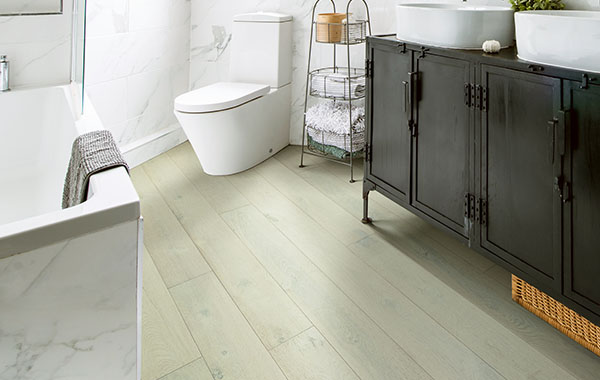
When it comes to choosing the perfect flooring for your home or commercial space, the decision often comes down to waterproof flooring vs. traditional flooring. Each option has its unique benefits, drawbacks, and ideal use cases. Understanding these differences can help you make an informed choice that suits your lifestyle, budget, and aesthetic preferences.
What Is Waterproof Flooring?
Waterproof flooring is designed to resist moisture, spills, and even standing water. It is commonly made from materials such as vinyl, laminate with waterproof cores, or engineered wood treated to withstand water exposure. This type of flooring is ideal for areas prone to moisture, including kitchens, bathrooms, basements, and laundry rooms.
Advantages of Waterproof Flooring:
- Durability: Resistant to water damage, warping, and staining.
- Low Maintenance: Easy to clean with simple mopping or wiping.
- Versatility: Comes in various designs, including options that mimic hardwood, stone, or tile.
Understanding Traditional Flooring
Traditional flooring encompasses materials like solid hardwood, ceramic tiles, and natural stone. While these floors offer timeless beauty and elegance, they are often less forgiving when it comes to moisture exposure. Solid hardwood, for example, can warp or swell if exposed to water over time, while some types of tile may develop mold in grout lines if not properly sealed.
Advantages of Traditional Flooring:
- Aesthetic Appeal: Offers a classic, high-end look that never goes out of style.
- Longevity: With proper care, hardwood and stone can last decades.
- Eco-Friendly Options: Many traditional materials are natural and sustainable.
Comparing Waterproof Flooring vs. Traditional Flooring
Choosing between waterproof flooring vs. traditional flooring largely depends on your lifestyle, room usage, and maintenance preferences.
| Feature | Waterproof Flooring | Traditional Flooring |
| Water Resistance | Excellent | Moderate to Low |
| Maintenance | Easy | Requires regular care |
| Durability | High in moisture-prone areas | High in dry areas |
| Cost | Affordable to mid-range | Mid-range to high |
| Design Variety | Wide range | Limited to natural patterns |
Which Option Is Right for You?
- For High-Moisture Areas: Kitchens, bathrooms, and basements benefit from waterproof flooring to prevent damage and reduce maintenance concerns.
- For Low-Moisture, High-Traffic Areas: Living rooms, dining rooms, and bedrooms may be better suited for traditional flooring, offering long-lasting beauty and a warm aesthetic.
- For Families or Pet Owners: Waterproof flooring is practical, as it can withstand spills, accidents, and heavy foot traffic.
- For Luxury Homes: Traditional flooring remains a popular choice for homeowners prioritizing elegance and timeless appeal.
Ultimately, the decision between waterproof flooring vs. traditional flooring should balance functionality, style, and budget. By understanding your space’s needs and the characteristics of each flooring type, you can select the option that enhances both the beauty and practicality of your home.
